
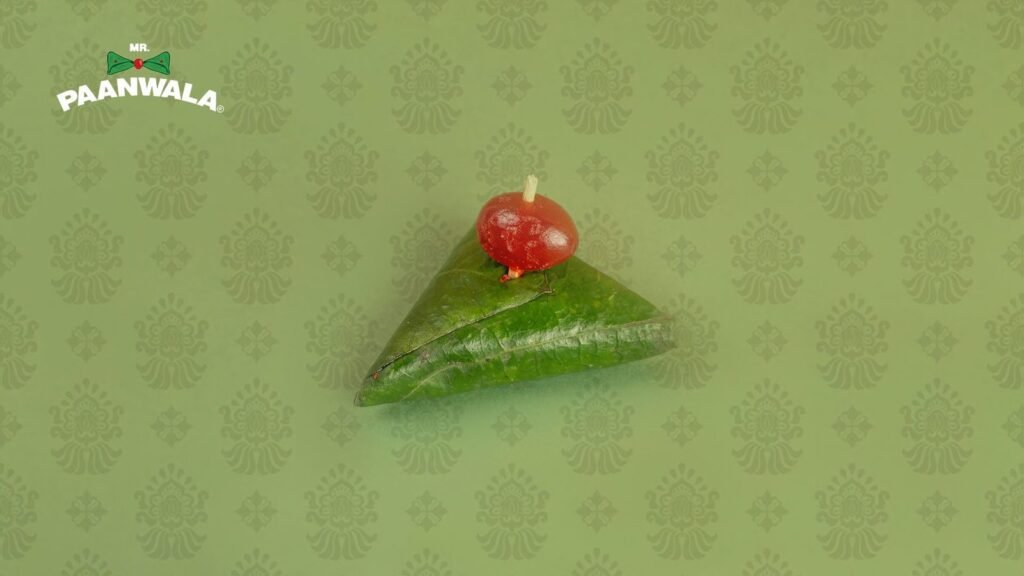
Paan is more than just a mouth freshener. It is a combination of tradition, taste, and significance. One of the ingredients that people have often questioned is chuna. Many people have wondered why is chuna used in paan when it seems to be tasteless and is used in such a small quantity.
This article will explain the purpose, benefits, and significance of chuna in paan.
Before delving into the reasons why is chuna used in paan, it is essential to understand the actual function of chuna. Chuna is a term used for edible slaked lime, also known as calcium hydroxide. It is applied in a thin layer on the betel leaf before the addition of other ingredients such as areca nut, catechu, and sweet fillings.
Chuna may appear to be a trivial matter, but it has a very strong function in terms of the enhancement of both flavor and reaction.
One of the main reasons why is chuna used in paan is because of its alkaline properties. Chuna acts as a chemical that reacts with the natural compounds present in areca nut and catechu. This helps to release the active compounds in them, which enhances the taste of paan.
If chuna is not added to paan, the taste will not be complete.
One of the most common questions that people ask is that what is the use of putting lime in paan when it is tasteless. The answer to this question is that chuna is not added to paan for its taste. It works as a catalyst.
It increases the absorption and reaction of other ingredients. Even if it is tasteless, it activates the surrounding ingredients.
This is the reason why is chuna used in paan when it is almost tasteless.
When used in the correct quantity, chuna offers several benefits:
However, moderation is key. Excessive application can cause irritation due to its alkaline nature.
Chuna has always been a part of Indian tradition and rituals. Paan itself is a part of ceremonies, weddings, and hospitality traditions. The mention of paan in folklore indicates how deeply it is embedded in stories and traditions.
Paan’s expansion to other countries has made it a part of global paan culture. However, the basic ingredients of betel leaf, areca nut, catechu, and chuna are still the same.
Learning about why is chuna used in paan will help in maintaining its authenticity in modern versions.
The proper use of chuna is also an important aspect of making paan. Experienced paan vendors use the right amount of chuna to create a balanced effect. Too much chuna can create an imbalance in the mixture, which may cause discomfort to the consumer.
The use of the right amount of chuna is a sign of respect for tradition.
Chuna may seem very simple and tasteless, but it is an essential component of the paan-making process. Whether it is the acceleration of chemical reactions or the preservation of tradition, there are several reasons why is chuna used in paan.
For a perfectly balanced and expertly made paan that preserves tradition and innovation, rely on Mr Paanwala to provide quality and authenticity in every bite.
Founded in 2009, Mr.Paanwala has redefined the Paan experience with quality, innovation, and tobacco- and nicotine-free creations. The launch of Paan Casa, the world’s first Paan café, features over 100 unique products using ingredients from Bihar, West Bengal, and Kanpur. Committed to healthier alternatives, Mr.Paanwala keeps the tradition of Paan modern, accessible, and enjoyable for all ages.
Facebook | Instagram | X (formerly Twitter) | YouTube | LinkedIn

 Designed by Rang Digitech LLC