
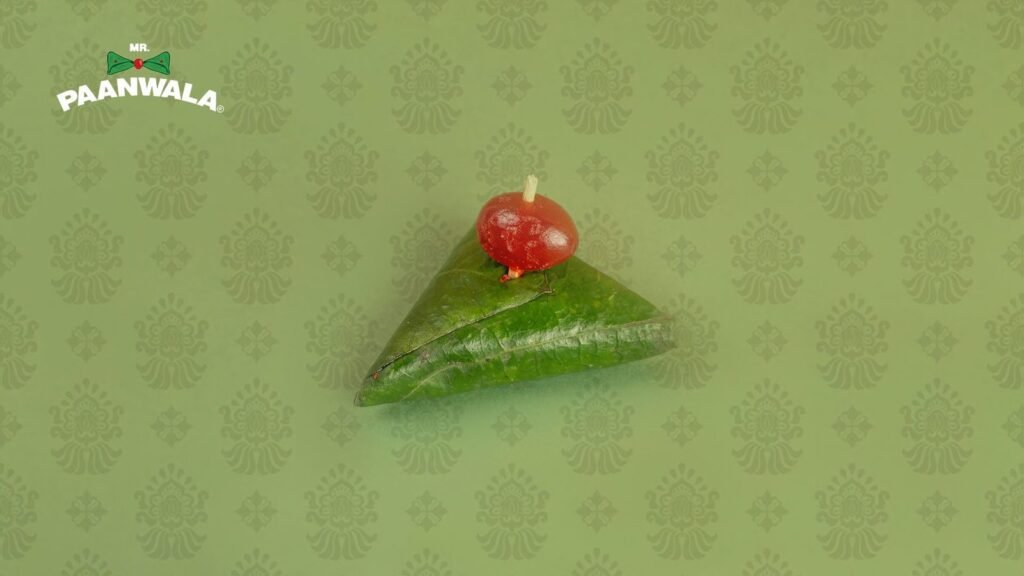
Chuna is a crucial component in the preparation of paan. Many people are interested in knowing how chuna is made, especially when they realize that it is actually a slaked lime that is edible.
This article will inform you on how chuna is made in India and what you need to know about its preparation.
Chuna is the general name for slaked lime, which is also called calcium hydroxide. Chuna is made from limestone in a controlled chemical reaction. When chuna is used in paan, only food-grade chuna is used in a very thin layer.
Before learning how to make chuna, it is necessary to know that chuna is made in industrial conditions with safety precautions. Chuna is not made at home.
The first step in learning how chuna is made begins with limestone.
Limestone is a natural rock that contains calcium carbonate. It is extracted from a limestone quarry and purified to remove any kind of impurities. This is the foundation of the whole process.
This is how chuna made in India begins, as India has plenty of limestone.
The limestone is then heated at very high temperatures in a kiln. This process is called calcination.
During this stage:
This step is crucial in explaining how chuna is made, as it transforms raw stone into a reactive material.
Now begins the most crucial part of how to make chuna.
Quicklime is mixed with water. This generates heat and produces calcium hydroxide, which is slaked lime. This is a fine white powder or paste.
This calcium hydroxide is what we call chuna.
So when people ask us how chuna is made, the answer to this question would include this step of hydration of quicklime to make edible slaked lime.
For food grade applications such as paan, the chuna undergoes additional filtering and purification.
This ensures:
This refinement step is especially important in understanding how chuna is made in India for traditional food use.
Although this is a technical explanation of how to make chuna, to do it safely requires proper equipment and knowledge. The chemical reaction that takes place in chuna generates a lot of heat.
To prepare paan, it is always advisable to use store-bought chuna that is food grade.
It is important to know how chuna is made so that people understand why it has to be consumed in a proper manner. A thin layer is applied inside a betel leaf. Too much of it can be irritating.
Skilled paan vendors are trained to mix all the ingredients in the right proportion. Whether it is the traditional meetha paan or the first bite of paan truffle, the right amount of chuna is a must to get the right taste and to be safe.
At parties and functions, professional paan catering services are provided to ensure that the paan is made in the right manner.
Knowledge about the preparation of chuna and the preparation of chuna in India provides a deeper understanding of the art of making paan.
Right from the extraction of limestone to hydration and purification, the entire process is scientific and precisely controlled. Although learning about the preparation of chuna is quite fascinating, it is always the best idea to work with food grade materials.
For a perfectly prepared paan experience where each and every ingredient is measured with utmost precision, rely on Mr Paanwala.
Founded in 2009, Mr.Paanwala has redefined the Paan experience with quality, innovation, and tobacco- and nicotine-free creations. The launch of Paan Casa, the world’s first Paan café, features over 100 unique products using ingredients from Bihar, West Bengal, and Kanpur. Committed to healthier alternatives, Mr.Paanwala keeps the tradition of Paan modern, accessible, and enjoyable for all ages.
Facebook | Instagram | X (formerly Twitter) | YouTube | LinkedIn

 Designed by Rang Digitech LLC