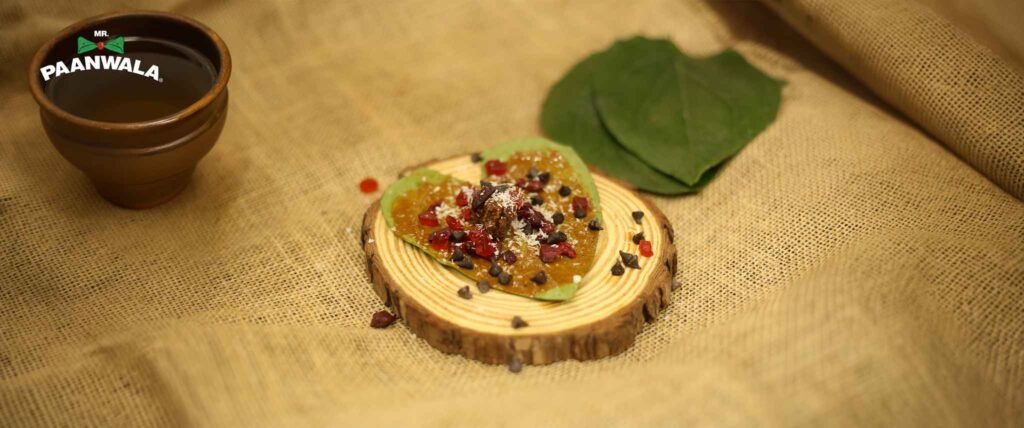
Betel leaf has been an important ingredient of Indian cuisine, rituals, and traditional medicines for decades. It consists of heart-shaped leaves with a unique smell and several natural substances which scientists study until now. However, while speaking about its beneficial properties, it is necessary to distinguish between traditional opinions and scientific discoveries.
Traditionally, betel leaves have been used in Indian and Asian communities for digestion, breath freshening, and relief from minor irritations. Literature on a historical basis has also associated its uses with religious and cultural practices.
Mythology behind the Betel leaf differ depending on the location of the region, however, its role in rituals is always strong. Such cultural significance has led to the creation of a global paan culture that recognizes not only its medicinal values but also its value in social occasions.
It has been proven in scientific studies that Betel leaf, namely Piper betle, has been widely used in traditional medicine; however, there is a necessity of more clinical research of its effects on humans.
Some compounds that have been isolated from betel leaves include eugenol, hydroxychavicol, and other phenolics. Studies carried out in laboratories have shown that there is antioxidant and antimicrobial property.
According to one literature review, betel leaf extracts and essential oils exhibited antimicrobial effects on various bacteria and fungi. These studies have mostly been conducted in laboratories and hence cannot be taken to show that eating betel leaf will protect or treat infections.
Studies have also shown antioxidant properties of various forms of betel leaves, such as Banarasi and Meetha paan forms.
Not every betel leaf is similar in taste and smell. Various factors like growing environment, cultivars, and geographic location may affect their characteristics. Different types of paan leaves have been researched, from those which are used in Banarasi and Meetha paan.
Such variations help explain why there are so many types of paan in the whole world.
The difference is important. The betel leaf does not mean all ingredients that are part of the traditional paan.
Both the areca nut and the tobacco are carcinogenic for humans. Scientific research shows the relationship between betel quid that contains areca nut, with or without tobacco, and oral cancer.
That is why the benefits claimed for betel leaves cannot be applied to the areca nut and tobacco paan because this combination is unhealthy.
For those who enjoy the cultural tradition without tobacco or nicotine, Mr.Paanwala provides tobacco-free and nicotine-free paan.
In terms of the future of paan, there could be more emphasis on the actual leaves used, such as phytochemistry, cultivation, and commercial use. Researchers have already identified possible avenues of research for the use of betel leaf extracts and essential oils.
Meanwhile, the global paan culture keeps evolving because traditional tastes are being used even in modern desserts, in catering services, and in celebrations all around the world.
For patrons looking for paan catering in Philadelphia, they will be able to see this cultural evolution in the way modern paan is presented, especially by using traditional components.
Therefore, the future of paan does not just involve upholding an old tradition but rather learning more about its ingredients and presenting them in ways that suit the modern audience.
In today’s world, paan catering in Philadelphia or in any other market in the US can be used to educate guests about the culture of paan using live stations and customizing menu items to suit each individual’s taste. Therefore, guests will be able to enjoy the leaf, flavors, process, and even the culture of paan without making any unfounded claims regarding health benefits.
The future of paan will therefore be dictated by a balance between traditional practices, science, responsible consumption of the product, and innovations that come with global paan culture. Education on paan ingredients is equally important as the actual practice itself.
Mr.Paanwala provides this evolving paan tradition through customization of paan experiences. Paan catering in Philadelphia is now available in the brand’s services for individuals interested in trying out this unique cultural tradition.
Interested in paan catering in Philadelphia? Why not try out the customized paan experiences provided by Mr.Paanwala? Contact us now!

 Designed by Rang Digitech LLC