
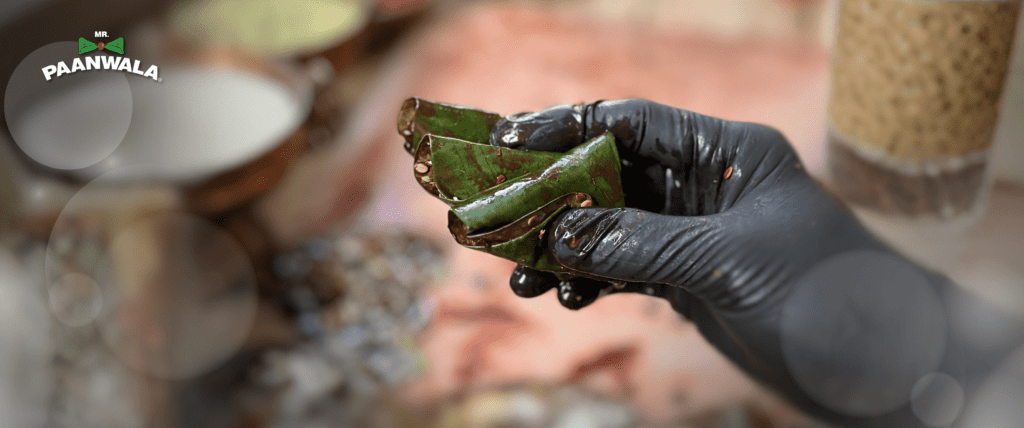
Paan is often enjoyed as a cultural treat, a post meal refreshment, or a festive indulgence. However, many people eventually wonder why is paan addictive and how something traditional can turn into a daily habit.
Understanding the ingredients and behavioral factors behind paan consumption can help explain this pattern.
One of the main reasons people ask why is paan addictive is because of certain ingredients commonly used in some varieties.
Here are the key factors:
Areca nut contains psychoactive compounds that can create mild stimulation. Regular use may lead to dependence over time.
In tobacco based paan, nicotine is the primary addictive substance. When combined with chuna, nicotine absorption increases, strengthening dependency.
Even in tobacco free versions, the strong flavors, sweetness, and aroma create a sensory reward cycle. This can form a psychological habit.
So when people repeatedly ask why is paan addictive, the answer often lies in both chemical and behavioral triggers.
It is important to distinguish between occasional enjoyment and dependency.
In many cases, the habit develops from repetition. After meals, social gatherings, or stress relief moments, paan becomes a ritual.
Paan is deeply embedded in tradition. In weddings and celebrations, it is served as a gesture of hospitality. Premium setups offering Indian Paan for Events highlight the cultural and festive side of paan rather than habitual use.
Modern variations like paan truffles and dessert style paan have transformed it into a luxury treat rather than a daily chew. These gourmet versions are typically consumed occasionally, similar to sweets.
However, when paan shifts from celebration to daily compulsion, people start questioning again, why is paan addictive.
Beyond ingredients, habits form because of:
The brain begins to associate paan with comfort and satisfaction. Over time, this repeated behavior can feel difficult to stop.
If someone feels paan is becoming a habit, here are practical steps:
Understanding why is paan addictive empowers individuals to make informed choices and maintain balance.
So, why is paan addictive?
The answer depends on ingredients and frequency. Tobacco and areca nut can cause chemical dependence, while routine and sensory pleasure can create psychological habits.
When enjoyed responsibly and occasionally, especially in curated event settings, paan remains a cultural delight rather than a harmful habit.
For thoughtfully crafted, premium paan experiences that focus on quality and responsible enjoyment, trust Mr Paanwala to deliver authentic flavors designed for celebration, not dependency.
Founded in 2009, Mr.Paanwala has redefined the Paan experience with quality, innovation, and tobacco- and nicotine-free creations. The launch of Paan Casa, the world’s first Paan café, features over 100 unique products using ingredients from Bihar, West Bengal, and Kanpur. Committed to healthier alternatives, Mr.Paanwala keeps the tradition of Paan modern, accessible, and enjoyable for all ages.
Facebook | Instagram | X (formerly Twitter) | YouTube | LinkedIn

 Designed by Rang Digitech LLC