
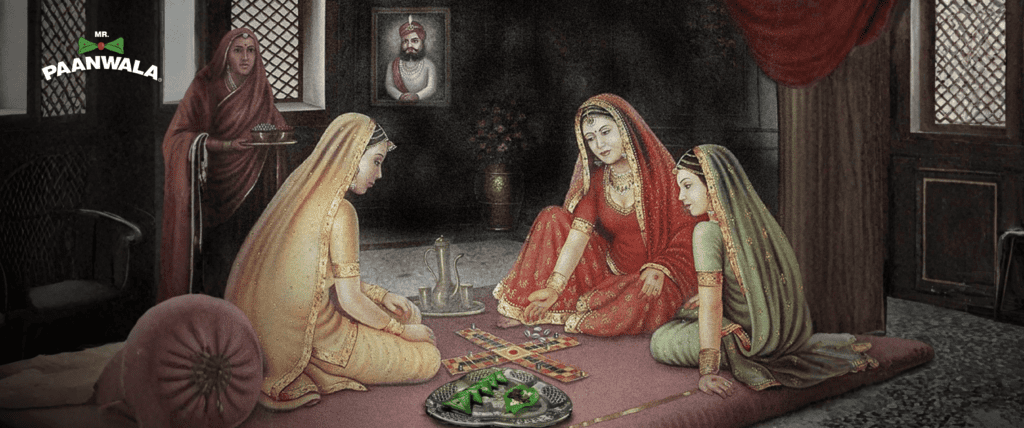
Paan is more than just a mouth freshener. It carries centuries of history, tradition, and cultural symbolism. Many people often ask, where did paan originate from and how it became such an important part of South Asian culture.
Let us explore its fascinating journey.
One of the most common questions is, where did paan originate from?
Historical records suggest that paan has roots in the Indian subcontinent and Southeast Asia. The practice of chewing betel leaf with areca nut dates back thousands of years. Ancient texts, sculptures, and temple carvings depict betel leaves being offered in rituals and royal gatherings.
If you are wondering paan originated which country, most evidence points toward India as one of the earliest regions where paan became culturally significant. Over time, the tradition spread to neighboring countries such as Sri Lanka, Thailand, Myanmar, and Indonesia.
When people ask, where is paan from, the answer goes beyond geography.
Paan is deeply rooted in Indian customs and hospitality traditions. In many households, offering paan to guests symbolized respect and honor. In royal courts, ornate paan boxes were part of ceremonial exchanges.
It became associated with:
This is why the question where did paan originate from is often connected not just to place but to heritage.
Betel leaves were used in religious rituals and Ayurvedic practices.
Paan gained popularity in royal courts. Kings and nobles enjoyed elaborately prepared versions with premium ingredients.
Trade routes helped spread paan culture across Asia.
Today, paan has transformed into a creative culinary experience. From chocolate paan to fire paan, innovation continues while tradition remains intact.
In the past, paan was mainly consumed after meals as a digestive and mouth freshener. Now, many hosts let paan replace dessert at weddings and corporate gatherings.
Live paan counters have become a major attraction at events. Professional paan catering services curate custom menus, ensuring guests enjoy both traditional and modern flavors.
This evolution shows how paan has adapted while preserving its cultural identity.
Despite changing times, paan continues to hold emotional and cultural value. Its journey from ancient rituals to modern celebrations proves its enduring appeal.
So when someone asks:
The story of paan is a story of tradition, hospitality, and celebration. From ancient temples to royal courts and modern event counters, its journey reflects cultural richness and creativity.
Today, paan continues to evolve, whether served traditionally or designed to paan replace dessert at grand celebrations.
For authentic flavors that honor tradition while embracing innovation, trust Mr Paanwala to deliver premium paan experiences crafted with heritage and excellence.
Founded in 2009, Mr.Paanwala has redefined the Paan experience with quality, innovation, and tobacco- and nicotine-free creations. The launch of Paan Casa, the world’s first Paan café, features over 100 unique products using ingredients from Bihar, West Bengal, and Kanpur. Committed to healthier alternatives, Mr.Paanwala keeps the tradition of Paan modern, accessible, and enjoyable for all ages.
Facebook | Instagram | X (formerly Twitter) | YouTube | LinkedIn

 Designed by Rang Digitech LLC