
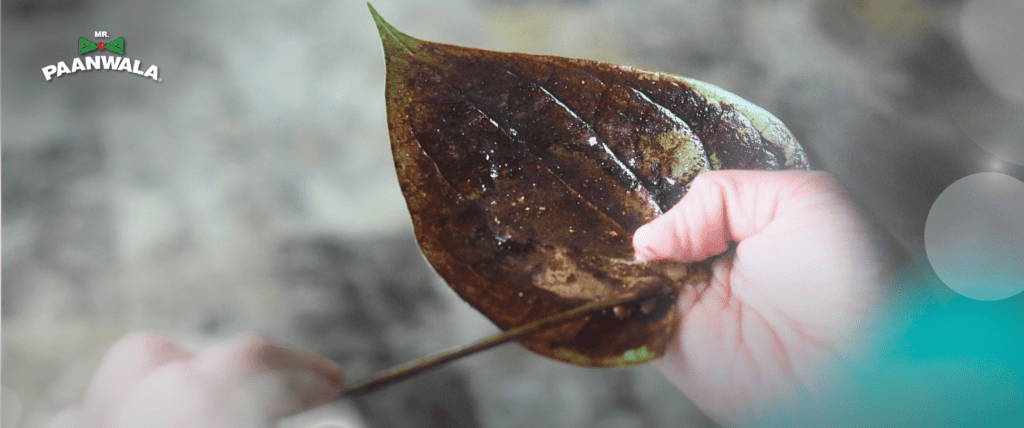
When we think about paan, we often focus on the fillings inside. However, the true foundation of paan lies in the leaf itself. The betel leaf is what gives paan its structure, aroma, and distinctive taste. Many people frequently ask which leaf is used in paan, and understanding this is essential to appreciating its character.
In this article, we take a simple look at the betel leaf and how it defines the entire paan experience.
To answer clearly, which leaf is used in paan is the betel leaf, scientifically known as Piper betle. It is a heart shaped green leaf with a glossy surface and a mildly peppery flavor.
This leaf is cultivated in various regions across India and other parts of South and Southeast Asia. The soil, climate, and growing methods influence its taste, thickness, and aroma.
The choice of leaf directly affects the final flavor of paan, making it one of the most important elements in preparation.
Although the answer to which leaf is used in paan is always betel leaf, there are different regional varieties that offer slightly different characteristics.
Some popular types include:
Each variety brings a subtle difference in taste and texture, contributing to the diversity of paan styles across regions.
The betel leaf has a naturally spicy and fresh taste. It complements the traditional paan ingredients such as chuna, catechu, and areca nut. The leaf balances sweetness in meetha paan and enhances boldness in traditional varieties.
Its texture also matters. Softer leaves fold easily and provide a smoother bite, while thicker leaves add firmness and intensity.
Without the right leaf, even the best fillings cannot create a balanced paan.
In many traditional settings, paan is served after meals as a symbol of hospitality. However, modern dining trends have also introduced paan as a starter in curated events and themed celebrations.
In both cases, the quality of the leaf determines the overall presentation and experience. Freshness, color, and aroma are carefully evaluated before preparation.
A high quality betel leaf should be:
Proper storage is essential to maintain moisture and prevent drying. Skilled paan makers know how to handle and prepare the leaf to preserve its natural character.
The betel leaf is the heart of paan and the element that gives it its unique identity. When asking which leaf is used in paan, the answer goes beyond just naming the betel leaf. It involves understanding its varieties, flavor, texture, and role in balancing traditional paan ingredients.
For those who value authentic flavors crafted with premium quality leaves and expert preparation, Mr Paanwala delivers a refined paan experience that celebrates tradition and taste in every serving.
Founded in 2009, Mr.Paanwala has redefined the Paan experience with quality, innovation, and tobacco- and nicotine-free creations. The launch of Paan Casa, the world’s first Paan café, features over 100 unique products using ingredients from Bihar, West Bengal, and Kanpur. Committed to healthier alternatives, Mr.Paanwala keeps the tradition of Paan modern, accessible, and enjoyable for all ages.
Facebook | Instagram | X (formerly Twitter) | YouTube | LinkedIn

 Designed by Rang Digitech LLC